
Excel Literature Review Template
Excel Literature Review Template - In another column i have cells that i have created a conditional formatting. =sum(!b1:!k1) when defining a name for a cell and this was entered into the refers to field. In your example you fix the. In most of the online resource i can find usually show me how to retrieve this information in vba. The dollar sign allows you to fix either the row, the column or both on any cell reference, by preceding the column or row with the dollar sign. If a1 = n/a then c1 = b1 else if a1 != n/a or has value(int) then c1 = a1*b1 How can i declare the following if condition properly? In a text about excel i have read the following: To solve this problem in excel, usually i would just type in the literal row number of the cell above, e.g., if i'm typing in cell a7, i would use the formula =a6. I've got some cells that i have conditionally formatted to excel's standard 'bad' style (dark red text, light red fill). Boolean values true and false in excel are treated as 1 and 0, but we need to convert them. To convert them into numbers 1 or 0, do some mathematical operation. And along with that, excel also started to make a substantial upgrade to their formula language. To solve this problem in excel, usually i would just type in the literal row number of the cell above, e.g., if i'm typing in cell a7, i would use the formula =a6. I need help on my excel sheet. =sum(!b1:!k1) when defining a name for a cell and this was entered into the refers to field. How can i declare the following if condition properly? Then if i copied that. In most of the online resource i can find usually show me how to retrieve this information in vba. If a1 = n/a then c1 = b1 else if a1 != n/a or has value(int) then c1 = a1*b1 If a1 = n/a then c1 = b1 else if a1 != n/a or has value(int) then c1 = a1*b1 In your example you fix the. It would mean you can apply textual functions like left/right/mid on a conditional basis without. For example as simple as. The dollar sign allows you to fix either the row, the column or both. To convert them into numbers 1 or 0, do some mathematical operation. How can i declare the following if condition properly? I've got some cells that i have conditionally formatted to excel's standard 'bad' style (dark red text, light red fill). If a1 = n/a then c1 = b1 else if a1 != n/a or has value(int) then c1 =. How can i declare the following if condition properly? In another column i have cells that i have created a conditional formatting. And along with that, excel also started to make a substantial upgrade to their formula language. I've got some cells that i have conditionally formatted to excel's standard 'bad' style (dark red text, light red fill). In most. And along with that, excel also started to make a substantial upgrade to their formula language. In most of the online resource i can find usually show me how to retrieve this information in vba. In a text about excel i have read the following: For example as simple as. To convert them into numbers 1 or 0, do some. The dollar sign allows you to fix either the row, the column or both on any cell reference, by preceding the column or row with the dollar sign. To convert them into numbers 1 or 0, do some mathematical operation. For example as simple as. How can i declare the following if condition properly? In your example you fix the. In your example you fix the. In most of the online resource i can find usually show me how to retrieve this information in vba. How can i declare the following if condition properly? To solve this problem in excel, usually i would just type in the literal row number of the cell above, e.g., if i'm typing in cell. To solve this problem in excel, usually i would just type in the literal row number of the cell above, e.g., if i'm typing in cell a7, i would use the formula =a6. However, once data has been entered into that table row, i would like it never to change dates again (effectively. I would like to use the =today. =sum(!b1:!k1) when defining a name for a cell and this was entered into the refers to field. For example as simple as. In a text about excel i have read the following: The dollar sign allows you to fix either the row, the column or both on any cell reference, by preceding the column or row with the dollar sign.. However, once data has been entered into that table row, i would like it never to change dates again (effectively. For example as simple as. I need help on my excel sheet. Excel has recently introduced a huge feature called dynamic arrays. How can i declare the following if condition properly? =sum(!b1:!k1) when defining a name for a cell and this was entered into the refers to field. In most of the online resource i can find usually show me how to retrieve this information in vba. And along with that, excel also started to make a substantial upgrade to their formula language. Is there any direct way to get this. I need help on my excel sheet. In your example you fix the. For example as simple as. And along with that, excel also started to make a substantial upgrade to their formula language. If a1 = n/a then c1 = b1 else if a1 != n/a or has value(int) then c1 = a1*b1 It would mean you can apply textual functions like left/right/mid on a conditional basis without. How can i declare the following if condition properly? Is there any direct way to get this information in a cell? Excel has recently introduced a huge feature called dynamic arrays. I would like to use the =today () function in a table in excel. However, once data has been entered into that table row, i would like it never to change dates again (effectively. To convert them into numbers 1 or 0, do some mathematical operation. In another column i have cells that i have created a conditional formatting. The dollar sign allows you to fix either the row, the column or both on any cell reference, by preceding the column or row with the dollar sign. In a text about excel i have read the following: =sum(!b1:!k1) when defining a name for a cell and this was entered into the refers to field.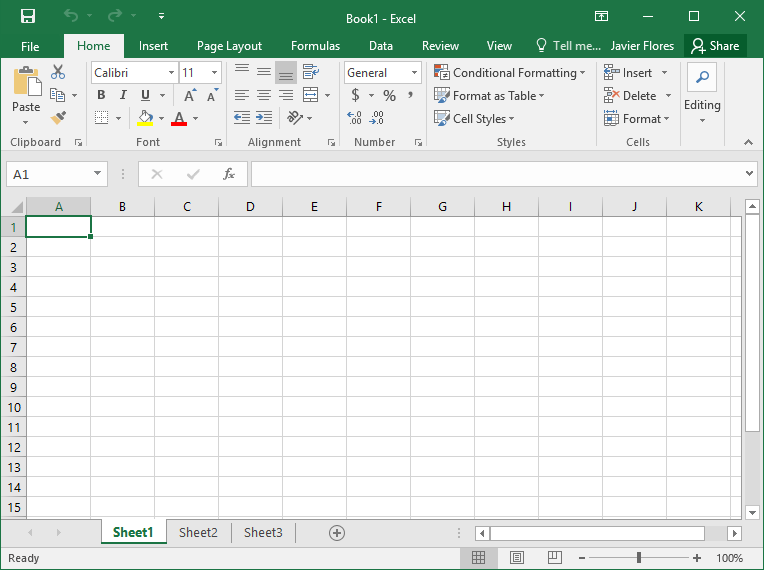
Las 10 alternativas a Excel más eficaces para la gestión de datos WPS

Microsoft Excel Tutorial for Beginners Full Course
What is Microsoft Excel and What Does It Do? CitizenSide
.svg/1200px-Microsoft_Office_Excel_(2018–present).svg.png)
Microsoft Excel — Wikipédia
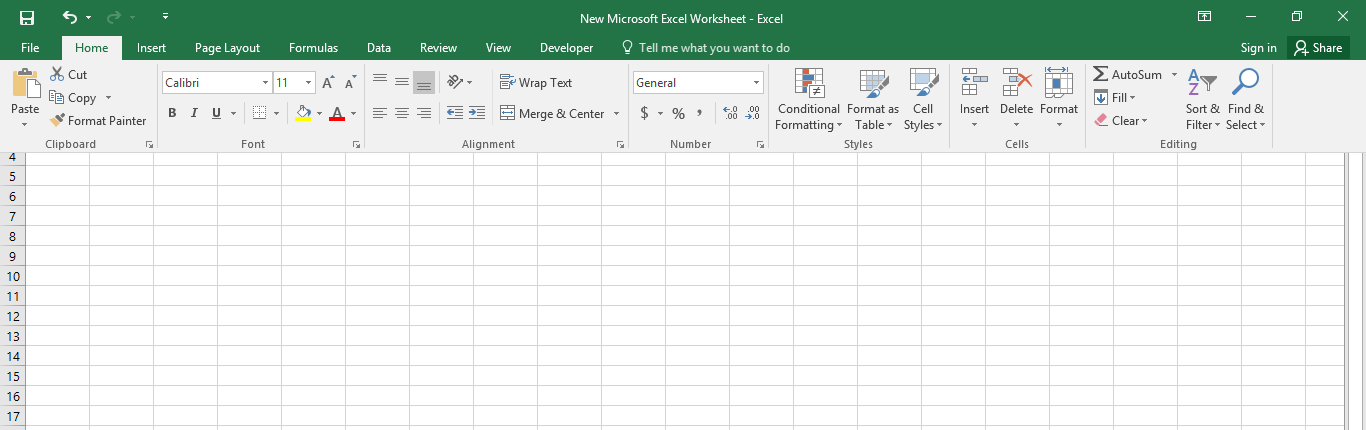
What S New With Microsoft Excel 2016 Riset

Download Excel Microsoft Spreadsheet Program Logo Wallpaper

How to use Excel Lookups to improve your data analysis Geeky Gadgets
![1. Understanding the Microsoft Excel Interface My Excel 2016 [Book]](https://www.oreilly.com/api/v2/epubs/9780134217192/files/graphics/01fig01.jpg)
1. Understanding the Microsoft Excel Interface My Excel 2016 [Book]
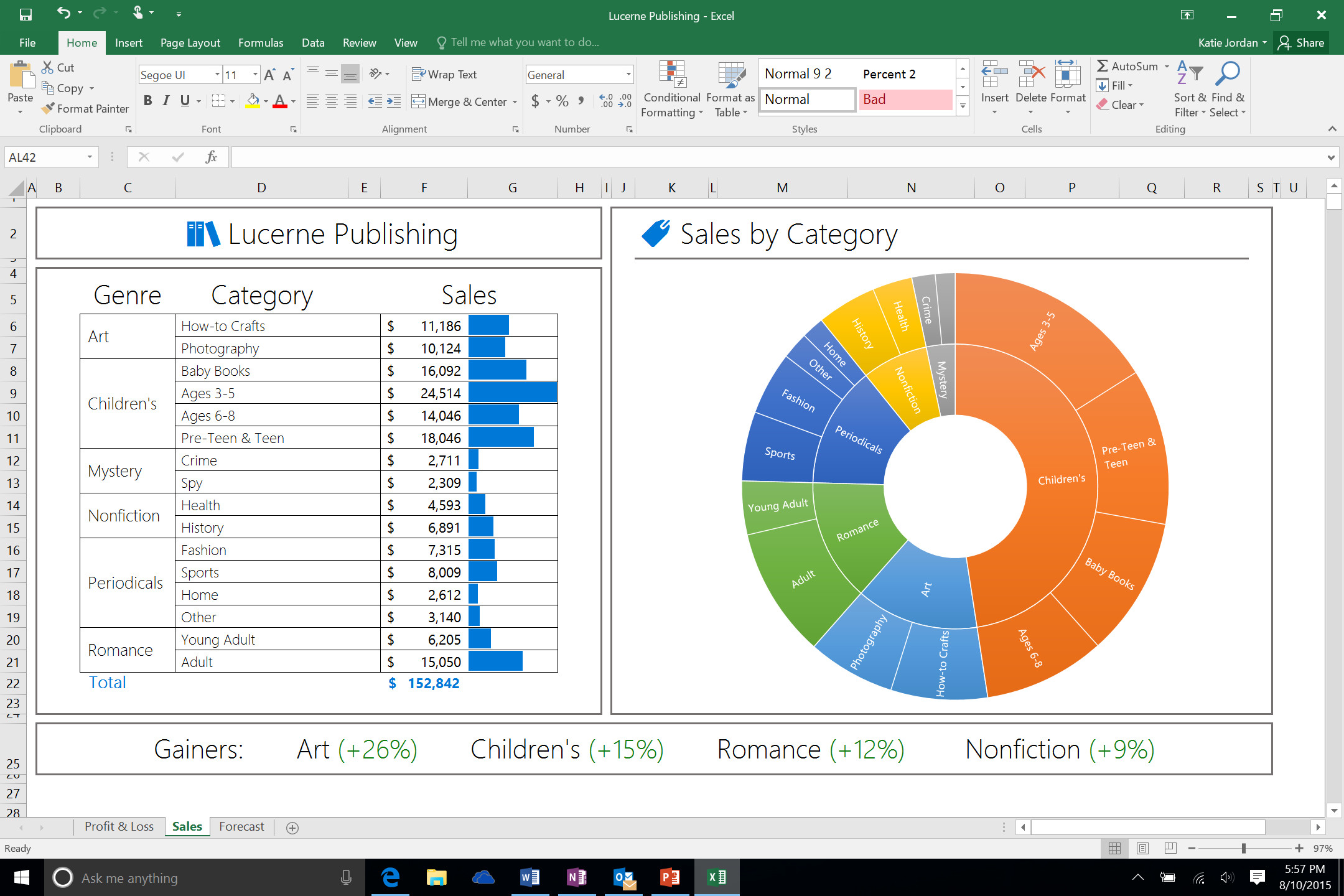
Excel 2016
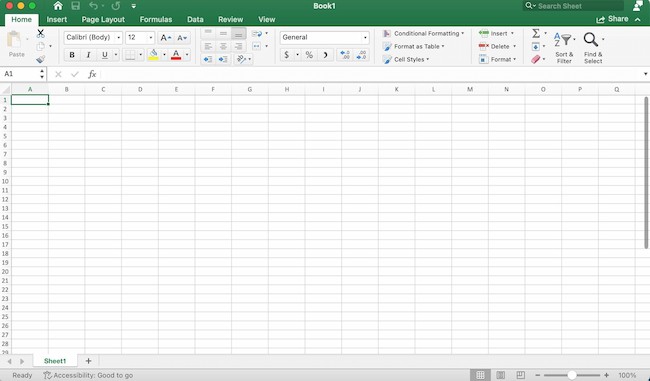
Microsoft Excel Easy Guide for Beginners With Formulas and More
Then If I Copied That.
I've Got Some Cells That I Have Conditionally Formatted To Excel's Standard 'Bad' Style (Dark Red Text, Light Red Fill).
In Most Of The Online Resource I Can Find Usually Show Me How To Retrieve This Information In Vba.
To Solve This Problem In Excel, Usually I Would Just Type In The Literal Row Number Of The Cell Above, E.g., If I'm Typing In Cell A7, I Would Use The Formula =A6.
Related Post: