
How Did You Hear About Us Template
How Did You Hear About Us Template - Individuals with did will exhibit two or more. Let's bust some common myths. Dissociative identity disorder (did) comes with a lot of stigma and misunderstanding. Dissociative disorders usually arise as a reaction to shocking, distressing or painful events and help push away difficult memories. Explore the complexities of dissociative identity disorder (did), its symptoms, causes, and treatment options. Dissociative identity disorder (did) is a rare condition in which two or more distinct identities, or personality states, are present in—and alternately take control of—an individual. Symptoms depend in part on the type of. Learn how this condition affects mental health and daily life. Dissociative identity disorder (did) is a mental health condition where you have two or more separate personalities that control your behavior at different times. Dissociative identity disorder (did) is a rare mental health condition that is characterized by identity and reality disruption. Learn how this condition affects mental health and daily life. Dissociative identity disorder (did) is a mental health condition where you have two or more separate personalities that control your behavior at different times. Dissociative identity disorder (did) is a rare condition in which two or more distinct identities, or personality states, are present in—and alternately take control of—an individual. Dissociative identity disorder (did) is a rare mental health condition that is characterized by identity and reality disruption. The did person, per the international society for the study of trauma and dissociation, is described as a person who experiences separate identities that function. Let's bust some common myths. Dissociative identity disorder (did) comes with a lot of stigma and misunderstanding. The most recognizable symptom of dissociative identity disorder (did) is a person’s identity being involuntarily split between at least two distinct identities (personality. Dissociative disorders usually arise as a reaction to shocking, distressing or painful events and help push away difficult memories. Explore the complexities of dissociative identity disorder (did), its symptoms, causes, and treatment options. Individuals with did will exhibit two or more. Let's bust some common myths. Symptoms depend in part on the type of. Dissociative disorders usually arise as a reaction to shocking, distressing or painful events and help push away difficult memories. Explore the complexities of dissociative identity disorder (did), its symptoms, causes, and treatment options. Explore the complexities of dissociative identity disorder (did), its symptoms, causes, and treatment options. Let's bust some common myths. Learn how this condition affects mental health and daily life. Symptoms depend in part on the type of. Dissociative disorders usually arise as a reaction to shocking, distressing or painful events and help push away difficult memories. Dissociative identity disorder (did) is a rare mental health condition that is characterized by identity and reality disruption. Individuals with did will exhibit two or more. Dissociative disorders usually arise as a reaction to shocking, distressing or painful events and help push away difficult memories. Dissociative identity disorder (did) comes with a lot of stigma and misunderstanding. Let's bust some. Dissociative disorders usually arise as a reaction to shocking, distressing or painful events and help push away difficult memories. Learn how this condition affects mental health and daily life. Dissociative identity disorder (did) is a rare condition in which two or more distinct identities, or personality states, are present in—and alternately take control of—an individual. Individuals with did will exhibit. The did person, per the international society for the study of trauma and dissociation, is described as a person who experiences separate identities that function. Symptoms depend in part on the type of. Let's bust some common myths. Explore the complexities of dissociative identity disorder (did), its symptoms, causes, and treatment options. Dissociative identity disorder (did) is a rare mental. Symptoms depend in part on the type of. Dissociative identity disorder (did) is a mental health condition where you have two or more separate personalities that control your behavior at different times. Individuals with did will exhibit two or more. The did person, per the international society for the study of trauma and dissociation, is described as a person who. Learn how this condition affects mental health and daily life. Dissociative disorders usually arise as a reaction to shocking, distressing or painful events and help push away difficult memories. Dissociative identity disorder (did) is a rare mental health condition that is characterized by identity and reality disruption. Dissociative identity disorder (did) is a mental health condition where you have two. Learn how this condition affects mental health and daily life. The most recognizable symptom of dissociative identity disorder (did) is a person’s identity being involuntarily split between at least two distinct identities (personality. Individuals with did will exhibit two or more. Symptoms depend in part on the type of. Let's bust some common myths. Dissociative identity disorder (did) is a rare mental health condition that is characterized by identity and reality disruption. Dissociative disorders usually arise as a reaction to shocking, distressing or painful events and help push away difficult memories. Dissociative identity disorder (did) is a mental health condition where you have two or more separate personalities that control your behavior at different. Learn how this condition affects mental health and daily life. The did person, per the international society for the study of trauma and dissociation, is described as a person who experiences separate identities that function. Symptoms depend in part on the type of. Let's bust some common myths. Explore the complexities of dissociative identity disorder (did), its symptoms, causes, and. Let's bust some common myths. Explore the complexities of dissociative identity disorder (did), its symptoms, causes, and treatment options. Dissociative identity disorder (did) is a mental health condition where you have two or more separate personalities that control your behavior at different times. Dissociative identity disorder (did) is a rare mental health condition that is characterized by identity and reality disruption. Dissociative disorders usually arise as a reaction to shocking, distressing or painful events and help push away difficult memories. Individuals with did will exhibit two or more. Dissociative identity disorder (did) is a rare condition in which two or more distinct identities, or personality states, are present in—and alternately take control of—an individual. The did person, per the international society for the study of trauma and dissociation, is described as a person who experiences separate identities that function. Symptoms depend in part on the type of.:max_bytes(150000):strip_icc()/VWH_Illustration_Common-Symptoms-of-Dissociative-Identity-Disorder-DID_Sydney-Saporito_Final-212d7e91fc2d4c80a22186af0ccff5c2.jpg)
Dissociative Identity Disorder Did Symptoms Causes Tr vrogue.co
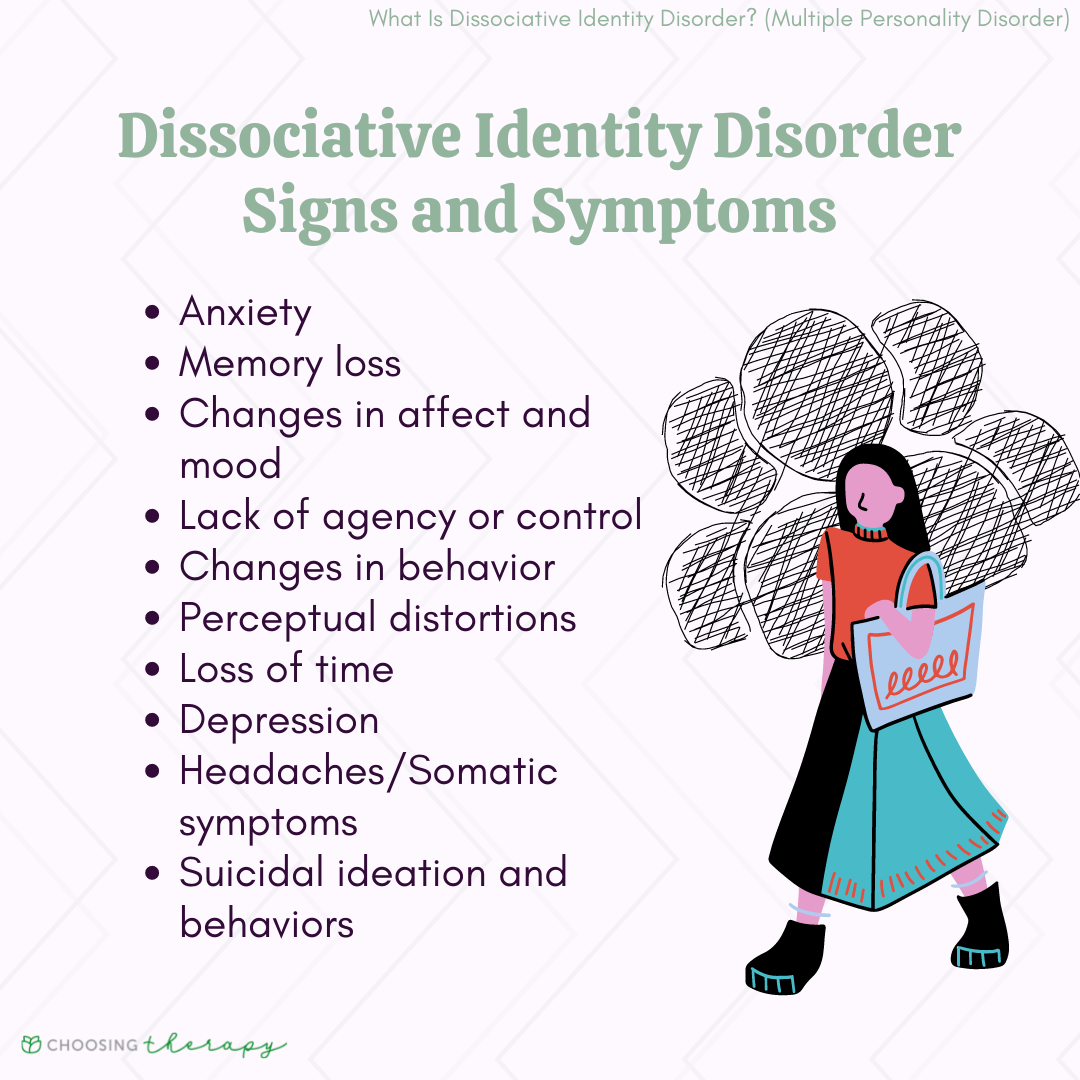
Prevention Of Dissociative Identity Disorder

Sentences with Did, Did in a Sentence in English, Sentences For Did

O Que Significa Did BRAINCP

Do Did Does Palabras inglesas, Palabras basicas en ingles

Gradient You Did It Vector, You Did It, You, Did PNG and Vector with

Did You Know Icon
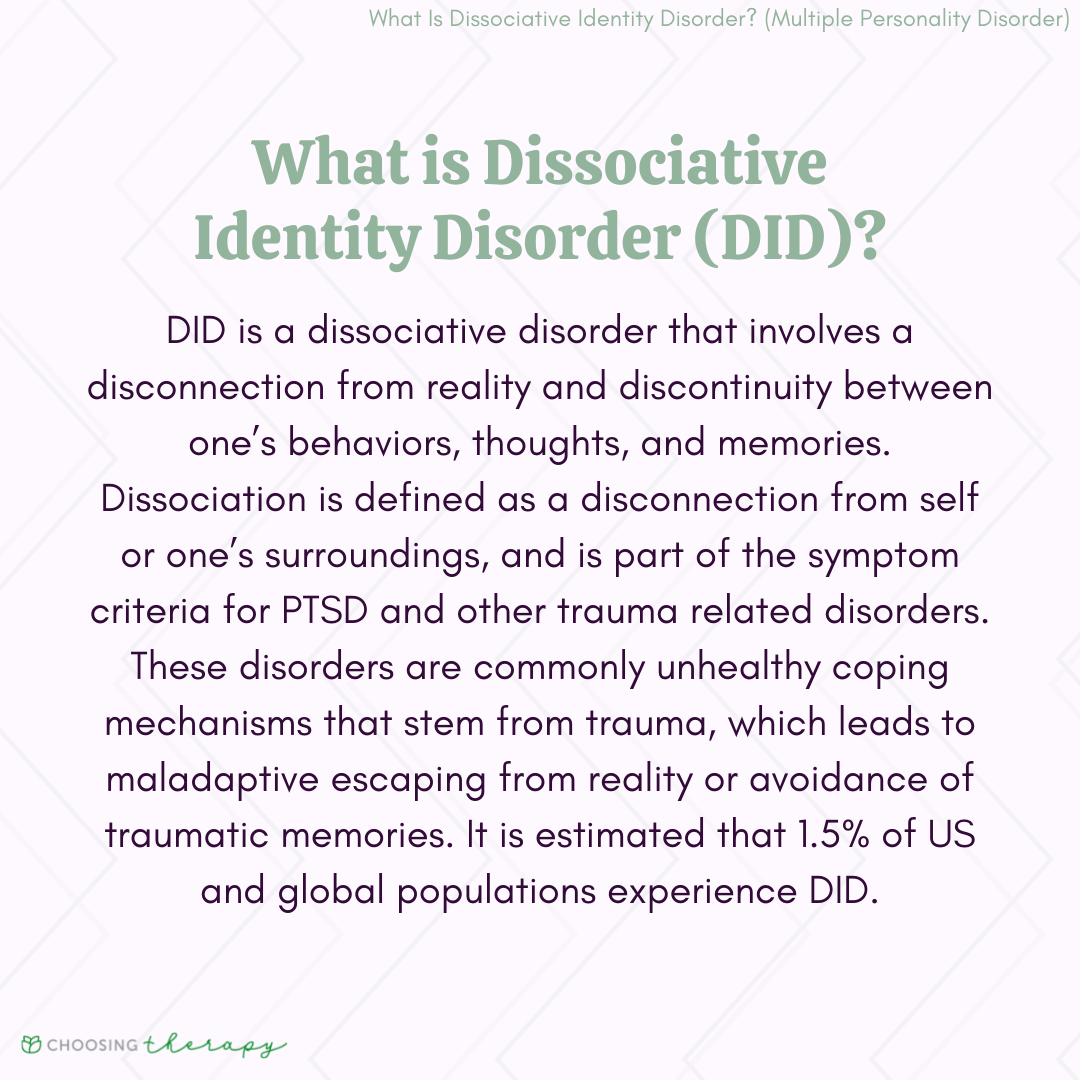
Dissociative Identity Disorder (DID) Symptoms, Causes, & Treatments

When Did Events Shape History? A Detailed Timeline And Analysis

Pronouns in English Different Pronouns in use Ceytopia
Dissociative Identity Disorder (Did) Comes With A Lot Of Stigma And Misunderstanding.
The Most Recognizable Symptom Of Dissociative Identity Disorder (Did) Is A Person’s Identity Being Involuntarily Split Between At Least Two Distinct Identities (Personality.
Learn How This Condition Affects Mental Health And Daily Life.
Related Post: