
Rubber Duck Template
Rubber Duck Template - Whether it’s natural rubber for its elasticity or synthetic rubber for specialized requirements, these 15 common rubbers offer a wide range of solutions across industries,. Rubber originates from the sap or latex of the rubber tree. Rubber is derived from two primary sources: Rubber, also called india rubber, latex, amazonian rubber, caucho, or caoutchouc, [1] as initially produced, consists of polymers of the organic compound isoprene, with minor impurities of. Rubber is an elastomer that is derived from the latex that is found in the tree hevea brasiliensis —the para rubber tree—mostly found in tropic regions such as south america. Natural rubber, harvested from rubber trees, and synthetic rubber, produced through chemical processes. Learn why rubber is so stretchy and how we make it. Here you can research different types of rubber, identify the properties of rubber, learn about the society that sets standards for. Rubber library is your online resource for all things rubber. Nearly 23 million tons of natural rubber is produced globally while synthetic rubber accounts for 60 percent of produced rubber. Rubber, elastic substance obtained from the exudations of certain tropical plants (natural rubber) or derived from petroleum and natural gas (synthetic rubber). Rubber is derived from two primary sources: These trees thrive in the amazon rainforests of south america, making the region one of the top suppliers around the. Nearly 23 million tons of natural rubber is produced globally while synthetic rubber accounts for 60 percent of produced rubber. Rubber, also called india rubber, latex, amazonian rubber, caucho, or caoutchouc, [1] as initially produced, consists of polymers of the organic compound isoprene, with minor impurities of. Rubber originates from the sap or latex of the rubber tree. Natural rubber, harvested from rubber trees, and synthetic rubber, produced through chemical processes. Rubber, a versatile polymeric material derived from latex, demonstrates unique flexibility and elasticity that make it useful across many industries. Rubber is an elastomer, a large molecule that can be stretched and returned to its original shape. Rubber library is your online resource for all things rubber. Rubber is an elastomer that is derived from the latex that is found in the tree hevea brasiliensis —the para rubber tree—mostly found in tropic regions such as south america. Learn why rubber is so stretchy and how we make it. These trees thrive in the amazon rainforests of south america, making the region one of the top suppliers around. Rubber is an elastomer that is derived from the latex that is found in the tree hevea brasiliensis —the para rubber tree—mostly found in tropic regions such as south america. Whether it’s natural rubber for its elasticity or synthetic rubber for specialized requirements, these 15 common rubbers offer a wide range of solutions across industries,. Rubber originates from the sap. Rubber library is your online resource for all things rubber. Rubber, also called india rubber, latex, amazonian rubber, caucho, or caoutchouc, [1] as initially produced, consists of polymers of the organic compound isoprene, with minor impurities of. Rubber, elastic substance obtained from the exudations of certain tropical plants (natural rubber) or derived from petroleum and natural gas (synthetic rubber). Rubber,. Let’s take a deeper look at where. Rubber, also called india rubber, latex, amazonian rubber, caucho, or caoutchouc, [1] as initially produced, consists of polymers of the organic compound isoprene, with minor impurities of. Nearly 23 million tons of natural rubber is produced globally while synthetic rubber accounts for 60 percent of produced rubber. Here you can research different types. These trees thrive in the amazon rainforests of south america, making the region one of the top suppliers around the. Natural rubber, harvested from rubber trees, and synthetic rubber, produced through chemical processes. Rubber library is your online resource for all things rubber. Rubber, also called india rubber, latex, amazonian rubber, caucho, or caoutchouc, [1] as initially produced, consists of. Rubber is an elastomer that is derived from the latex that is found in the tree hevea brasiliensis —the para rubber tree—mostly found in tropic regions such as south america. Rubber is derived from two primary sources: Learn why rubber is so stretchy and how we make it. Natural rubber, harvested from rubber trees, and synthetic rubber, produced through chemical. Nearly 23 million tons of natural rubber is produced globally while synthetic rubber accounts for 60 percent of produced rubber. Rubber is derived from two primary sources: Rubber, also called india rubber, latex, amazonian rubber, caucho, or caoutchouc, [1] as initially produced, consists of polymers of the organic compound isoprene, with minor impurities of. Learn why rubber is so stretchy. Rubber is an elastomer, a large molecule that can be stretched and returned to its original shape. Let’s take a deeper look at where. Here you can research different types of rubber, identify the properties of rubber, learn about the society that sets standards for. Rubber, also called india rubber, latex, amazonian rubber, caucho, or caoutchouc, [1] as initially produced,. These trees thrive in the amazon rainforests of south america, making the region one of the top suppliers around the. Rubber is an elastomer, a large molecule that can be stretched and returned to its original shape. Let’s take a deeper look at where. Whether it’s natural rubber for its elasticity or synthetic rubber for specialized requirements, these 15 common. Natural rubber, harvested from rubber trees, and synthetic rubber, produced through chemical processes. Rubber is derived from two primary sources: Here you can research different types of rubber, identify the properties of rubber, learn about the society that sets standards for. Rubber is an elastomer that is derived from the latex that is found in the tree hevea brasiliensis —the. Rubber is an elastomer that is derived from the latex that is found in the tree hevea brasiliensis —the para rubber tree—mostly found in tropic regions such as south america. Here you can research different types of rubber, identify the properties of rubber, learn about the society that sets standards for. Rubber, a versatile polymeric material derived from latex, demonstrates unique flexibility and elasticity that make it useful across many industries. Rubber is an elastomer, a large molecule that can be stretched and returned to its original shape. Rubber is derived from two primary sources: These trees thrive in the amazon rainforests of south america, making the region one of the top suppliers around the. Rubber library is your online resource for all things rubber. Natural rubber, harvested from rubber trees, and synthetic rubber, produced through chemical processes. Rubber, elastic substance obtained from the exudations of certain tropical plants (natural rubber) or derived from petroleum and natural gas (synthetic rubber). Whether it’s natural rubber for its elasticity or synthetic rubber for specialized requirements, these 15 common rubbers offer a wide range of solutions across industries,. Rubber, also called india rubber, latex, amazonian rubber, caucho, or caoutchouc, [1] as initially produced, consists of polymers of the organic compound isoprene, with minor impurities of. Let’s take a deeper look at where.
Rubber Tile Installation Guide Power Rubber

Warebest Tactical Rubber Bands Black Thick Rubber Bands
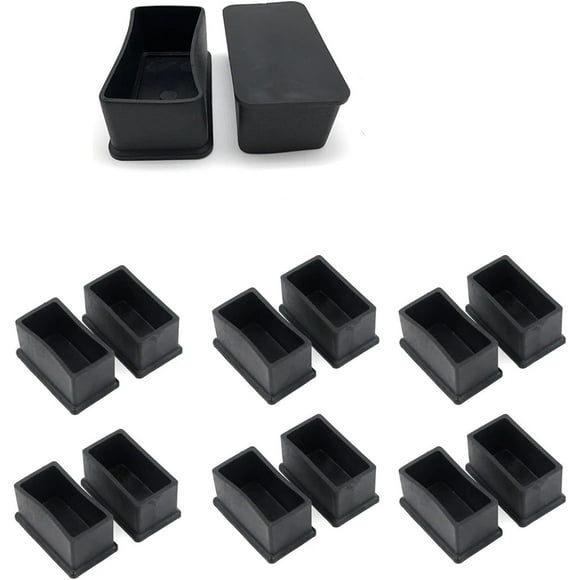
Rubber Tips

What Is Rubber For at Lenore Schwartz blog
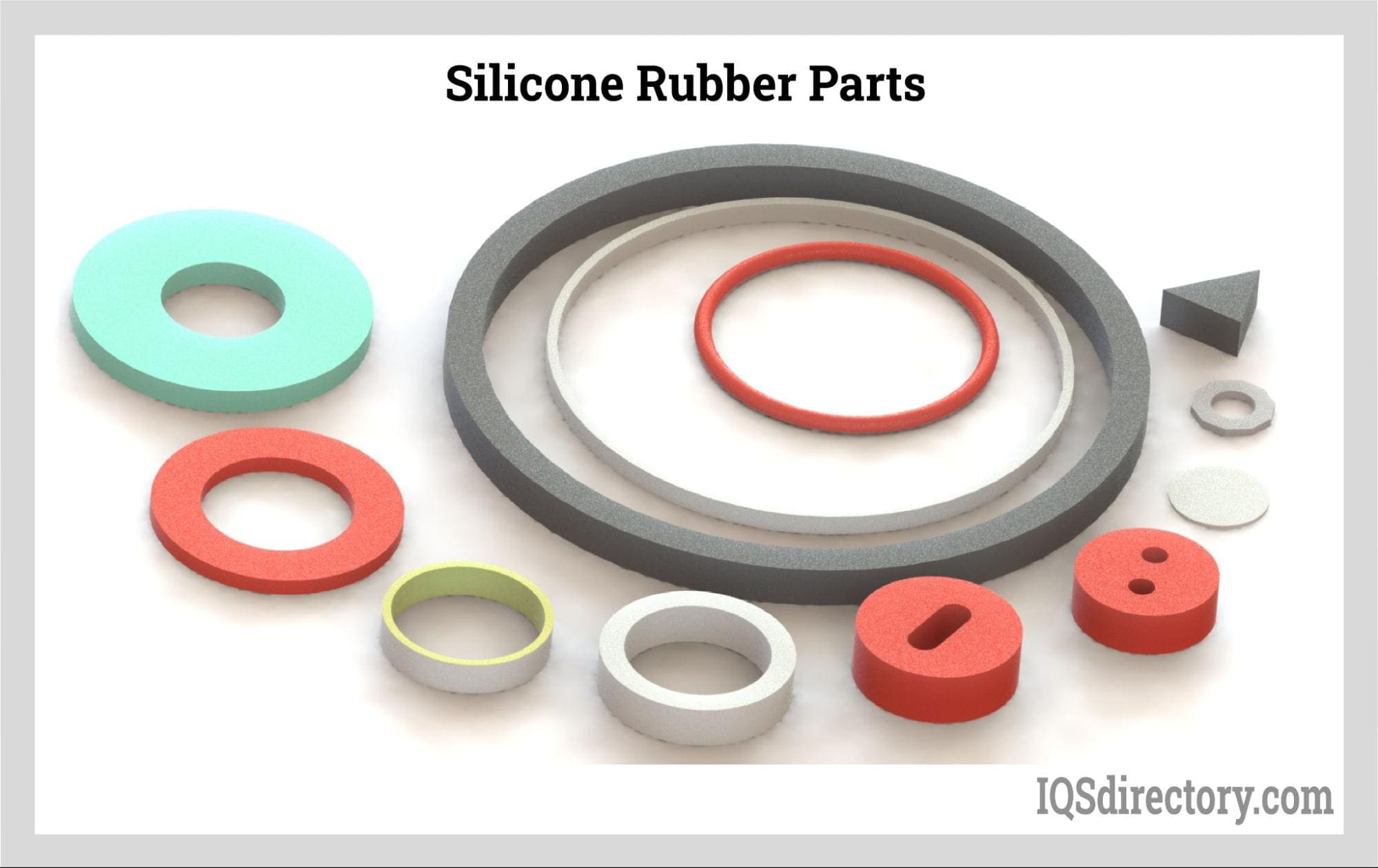
Nott Company Rubber Molding
Multicolor rubber bands isolated on transparent background PNG File
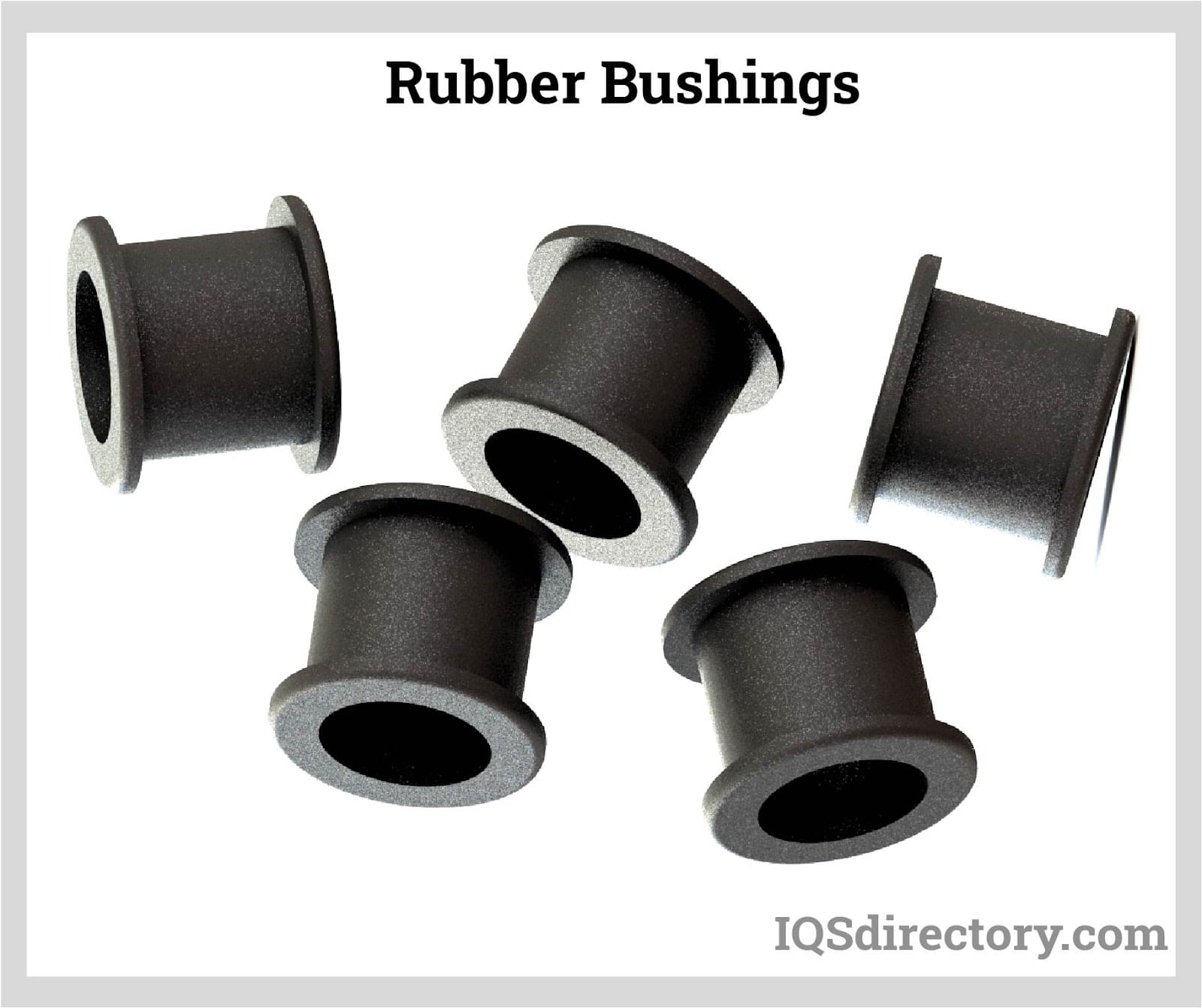
Boyd Corporation Extruded Rubber
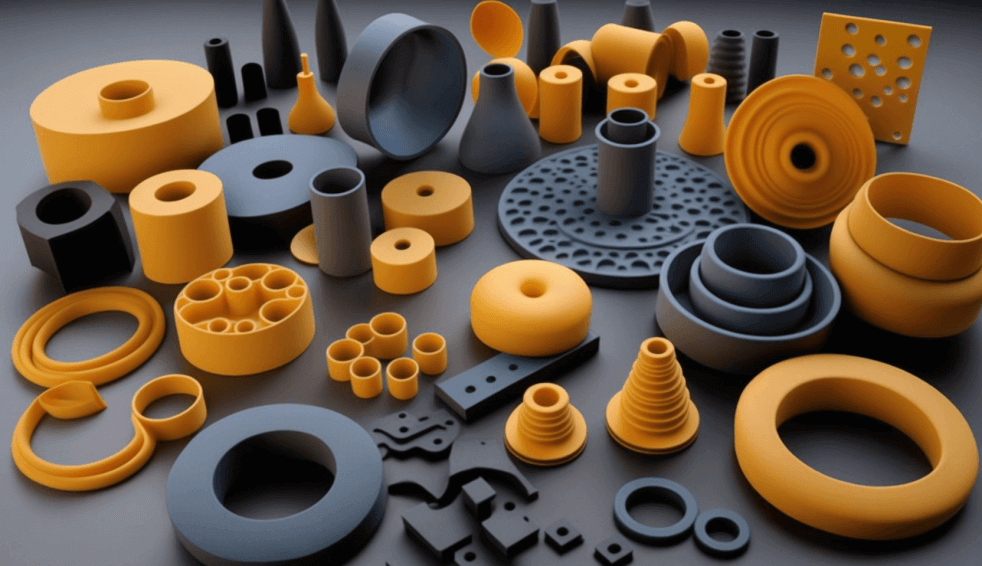
Rubber Manufacturing Guide Sourcing,Types, Applications, Benefits

AIWOQI Rubber Bands Garbage Can Bands 140 Pack Trash Can
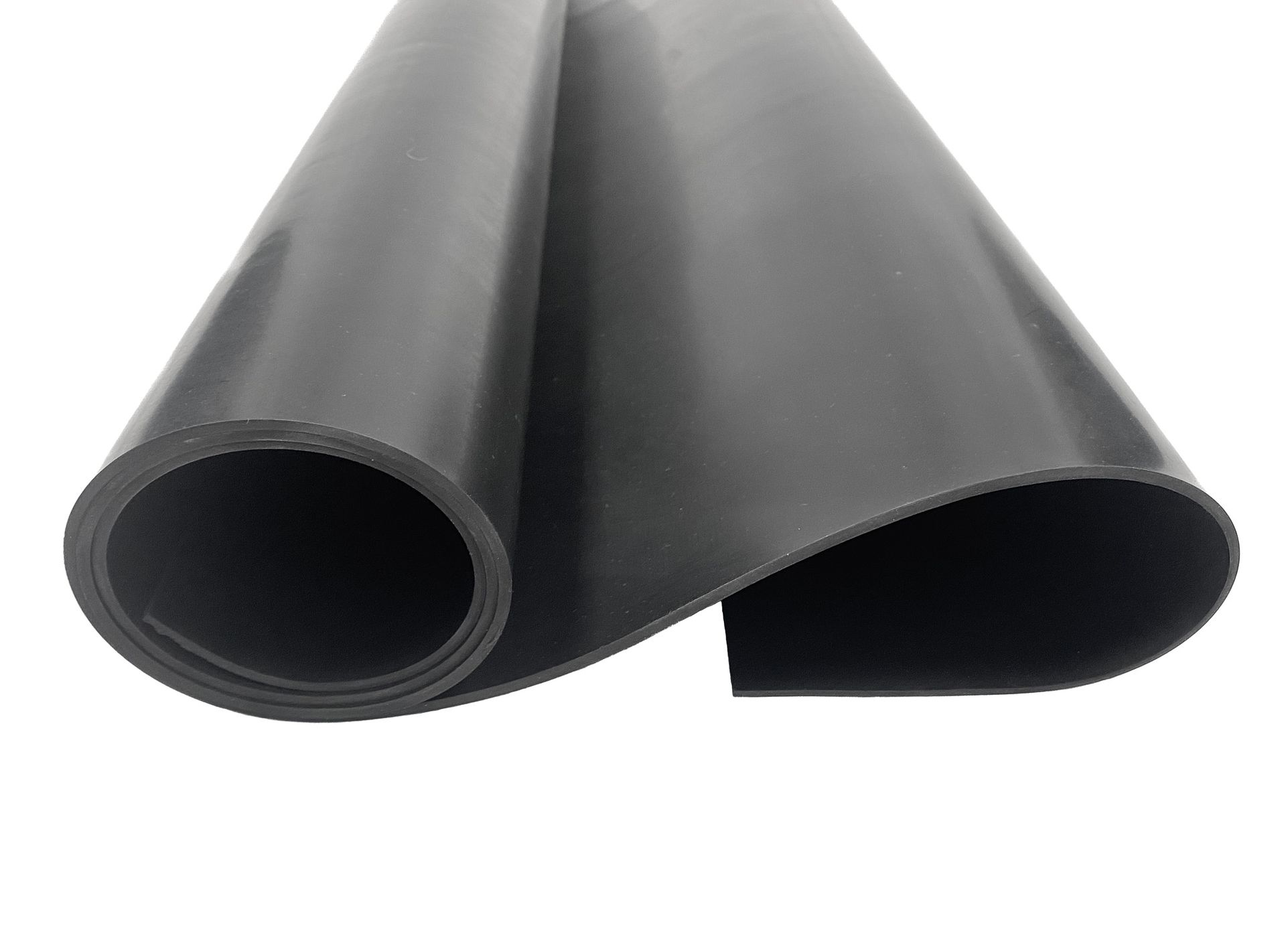
A Complete Guide to Nitrile Rubber Properties and Uses
Rubber Originates From The Sap Or Latex Of The Rubber Tree.
Learn Why Rubber Is So Stretchy And How We Make It.
Nearly 23 Million Tons Of Natural Rubber Is Produced Globally While Synthetic Rubber Accounts For 60 Percent Of Produced Rubber.
Related Post: