
Skull Tattoo Templates
Skull Tattoo Templates - All the various skull bone parts come together to serve two major purposes. First, the skull surrounds and protects the brain, brainstem, and eyes. The skull is one of the most vital bony structures of the human body, as it houses and protects the most important organs, including the brain. Your skull is the part of your skeleton that holds and protects your brain. The cranium, which encases the brain, and the facial skeleton, which supports. The skull is the skeletal structure of the head that supports the face and protects the brain. Skull, skeletal framework of the head of vertebrates, composed of bones or cartilage, which form a unit that protects the brain and some sense organs. The skull is a bony structure that supports the face and forms a protective cavity for the brain. It is comprised of many bones, formed by intramembranous ossification, which are. In addition, the skull provides. It is subdivided into the facial bones and the cranium, or cranial vault (figure 7.3.1). Your skull is the part of your skeleton that holds and protects your brain. It is divided into two main parts: The skull is one of the most vital bony structures of the human body, as it houses and protects the most important organs, including the brain. The skull is the skeletal structure of the head that supports the face and protects the brain. First, the skull surrounds and protects the brain, brainstem, and eyes. Skull, skeletal framework of the head of vertebrates, composed of bones or cartilage, which form a unit that protects the brain and some sense organs. The human skull consists of 22 bones (or 29, including the inner ear bones and hyoid bone) which are mostly connected together by ossified joints, so called sutures. There are 29 bones (including the hyoid and. It also holds or supports several of your main sensory organs, like your eyes, ears,. The skull is one of the most vital bony structures of the human body, as it houses and protects the most important organs, including the brain. The skull is the skeletal structure of the head that supports the face and protects the brain. It also holds or supports several of your main sensory organs, like your eyes, ears,. The skull. The skull is a bony structure that supports the face and forms a protective cavity for the brain. It also holds or supports several of your main sensory organs, like your eyes, ears,. It is comprised of many bones, formed by intramembranous ossification, which are. The human skull consists of 22 bones (or 29, including the inner ear bones and. It also holds or supports several of your main sensory organs, like your eyes, ears,. The skull consists of the rounded brain case that houses the brain and the facial bones that form the upper and lower jaws, nose, orbits, and other facial structures. It is comprised of many bones, formed by intramembranous ossification, which are. Skull, skeletal framework of. All the various skull bone parts come together to serve two major purposes. The skull is a bony framework of the head, consisting of 22 bones. First, the skull surrounds and protects the brain, brainstem, and eyes. Skull, skeletal framework of the head of vertebrates, composed of bones or cartilage, which form a unit that protects the brain and some. The skull is one of the most vital bony structures of the human body, as it houses and protects the most important organs, including the brain. The skull forms the frontmost portion of the axial skeleton and is a product of cephalization and vesicular enlargement of the brain, with several special senses structures such as the eyes,. The skull consists. It also holds or supports several of your main sensory organs, like your eyes, ears,. All the various skull bone parts come together to serve two major purposes. The skull is the skeletal structure of the head that supports the face and protects the brain. Your skull is the part of your skeleton that holds and protects your brain. The. All the various skull bone parts come together to serve two major purposes. Skull, skeletal framework of the head of vertebrates, composed of bones or cartilage, which form a unit that protects the brain and some sense organs. Your skull is the part of your skeleton that holds and protects your brain. The cranium, which encases the brain, and the. It also holds or supports several of your main sensory organs, like your eyes, ears,. There are 29 bones (including the hyoid and. The skull consists of the rounded brain case that houses the brain and the facial bones that form the upper and lower jaws, nose, orbits, and other facial structures. The skull forms the frontmost portion of the. The skull forms the frontmost portion of the axial skeleton and is a product of cephalization and vesicular enlargement of the brain, with several special senses structures such as the eyes,. The cranium, which encases the brain, and the facial skeleton, which supports. There are 29 bones (including the hyoid and. The skull is a bony framework of the head,. It is divided into two main parts: The human skull consists of 22 bones (or 29, including the inner ear bones and hyoid bone) which are mostly connected together by ossified joints, so called sutures. It also holds or supports several of your main sensory organs, like your eyes, ears,. Your skull is the part of your skeleton that holds. First, the skull surrounds and protects the brain, brainstem, and eyes. All the various skull bone parts come together to serve two major purposes. The skull is a bony structure that supports the face and forms a protective cavity for the brain. There are 29 bones (including the hyoid and. It is subdivided into the facial bones and the cranium, or cranial vault (figure 7.3.1). The human skull consists of 22 bones (or 29, including the inner ear bones and hyoid bone) which are mostly connected together by ossified joints, so called sutures. Your skull is the part of your skeleton that holds and protects your brain. The cranium, which encases the brain, and the facial skeleton, which supports. The skull forms the frontmost portion of the axial skeleton and is a product of cephalization and vesicular enlargement of the brain, with several special senses structures such as the eyes,. The skull is the skeletal structure of the head that supports the face and protects the brain. It also holds or supports several of your main sensory organs, like your eyes, ears,. The skull consists of the rounded brain case that houses the brain and the facial bones that form the upper and lower jaws, nose, orbits, and other facial structures. In addition, the skull provides. It is divided into two main parts: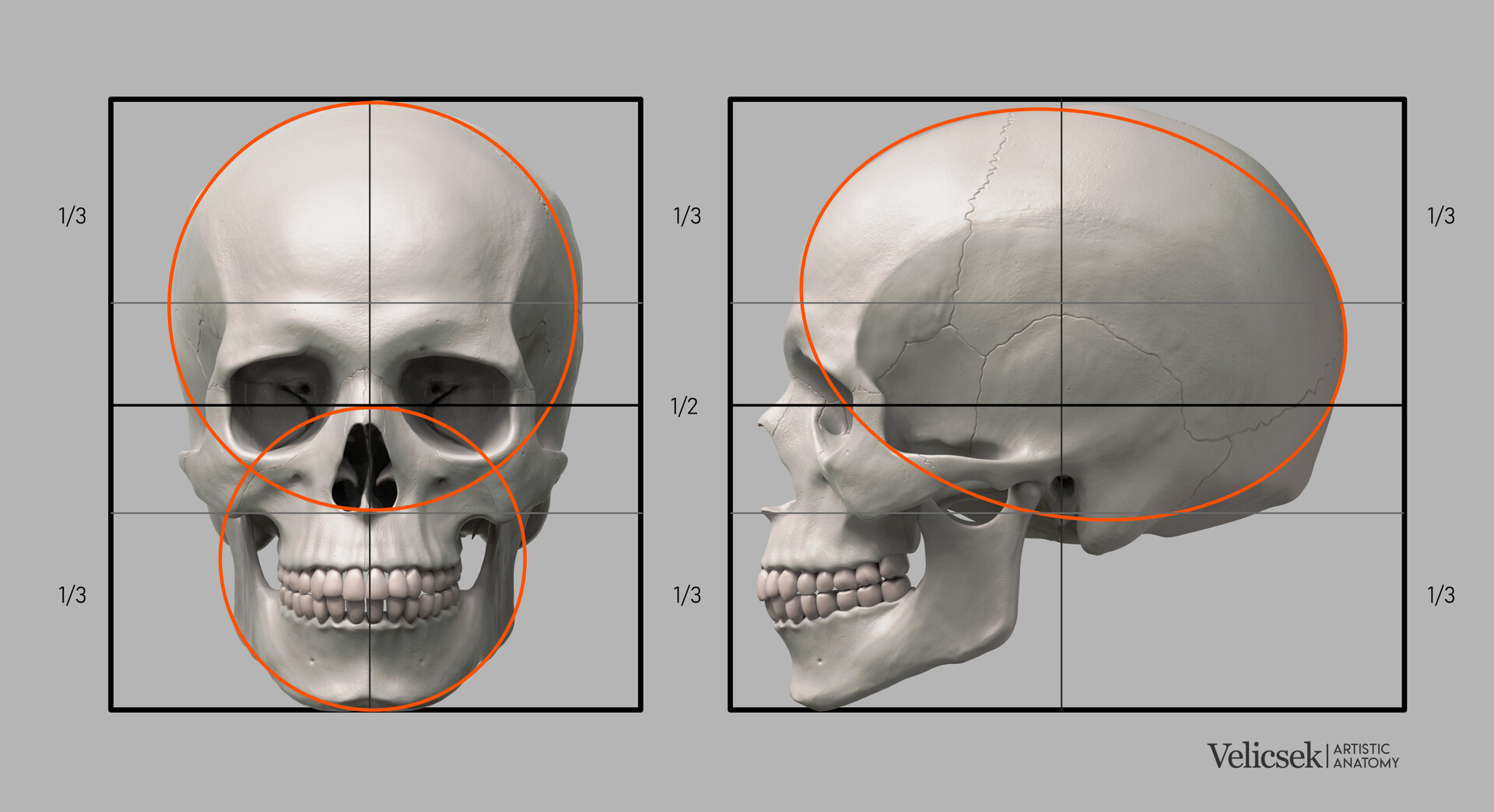
Trying to work on realism, and proper anatomy. Feed back? r/CreepyArt

Proportions Guide of the Human Skull, Gusztav Velicsek Skull anatomy
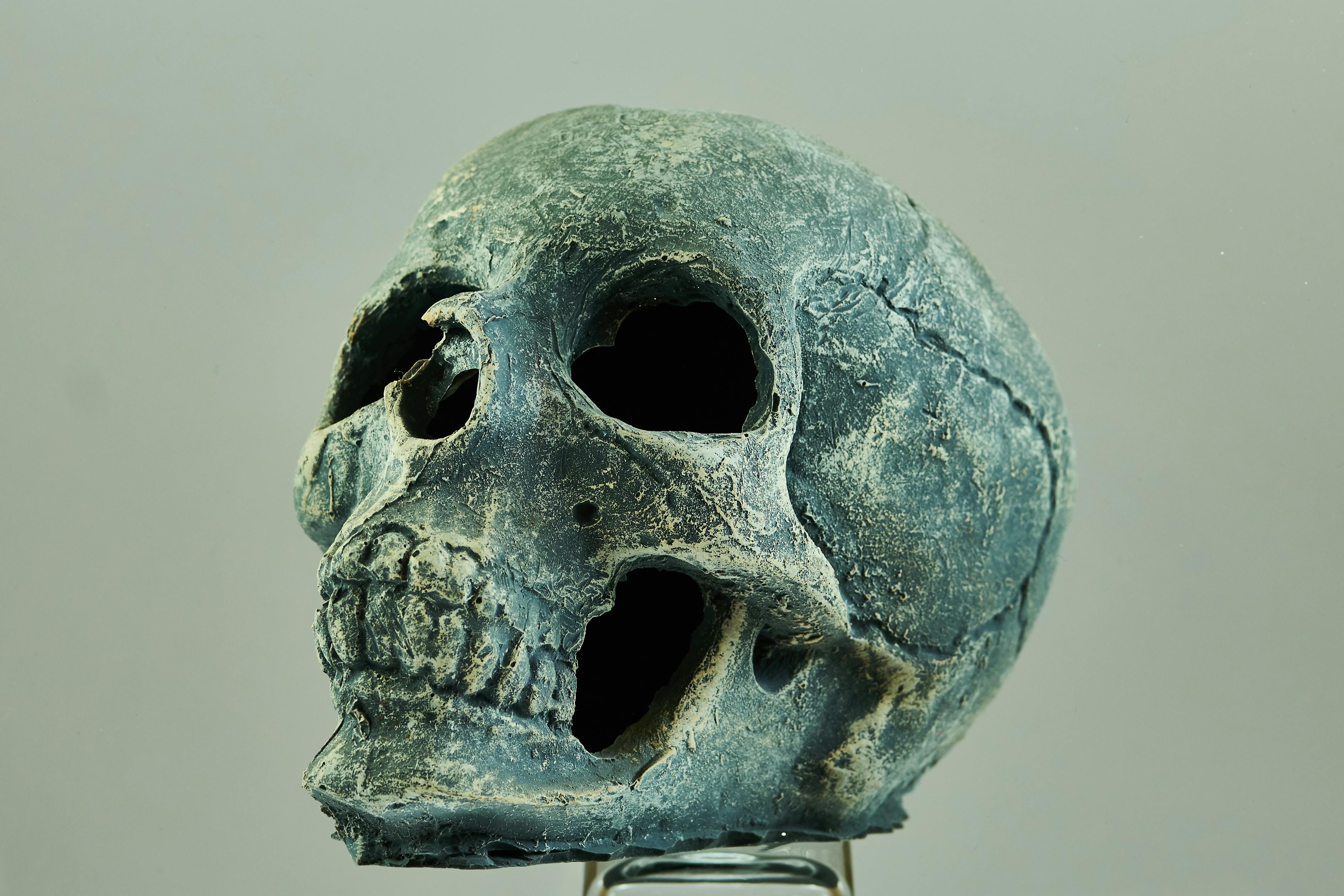
Skull Photos, Download The BEST Free Skull Stock Photos & HD Images
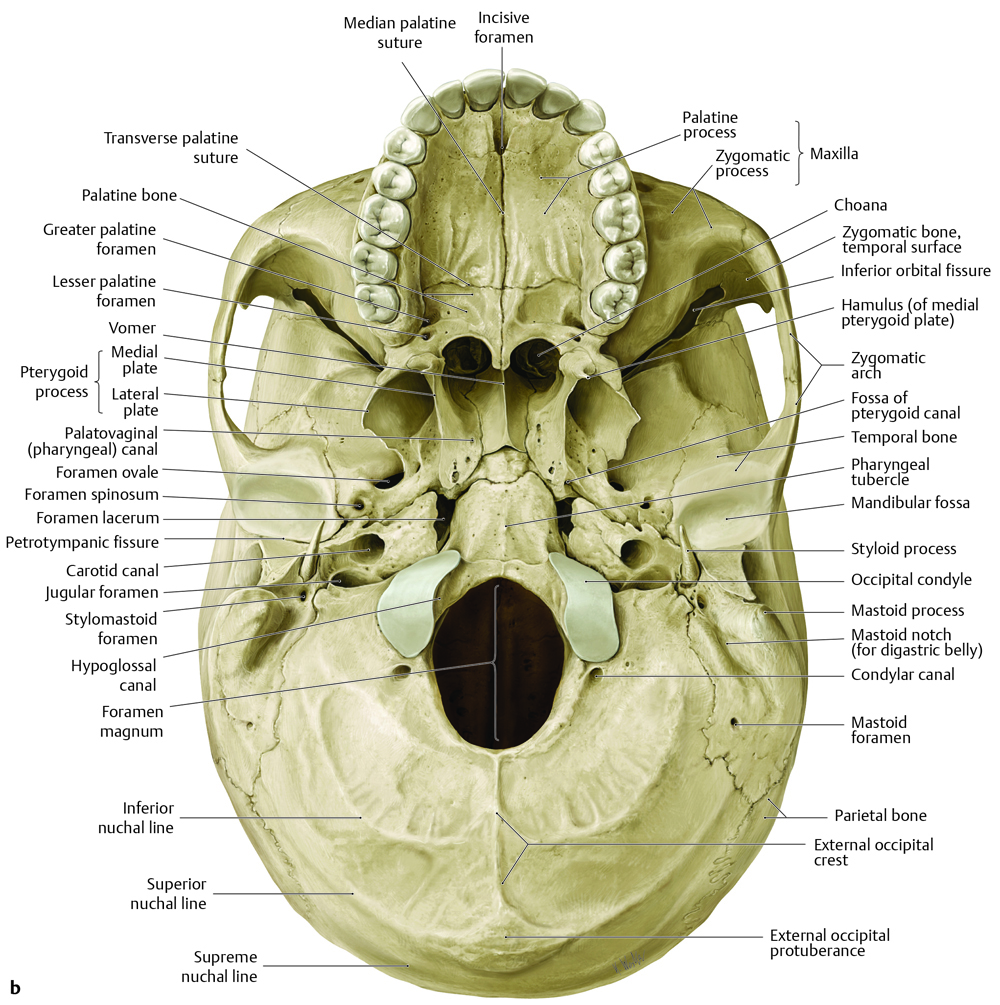
Back Of Skull Anatomy Skull Anatomy Terminology Dr Barry L Eppley
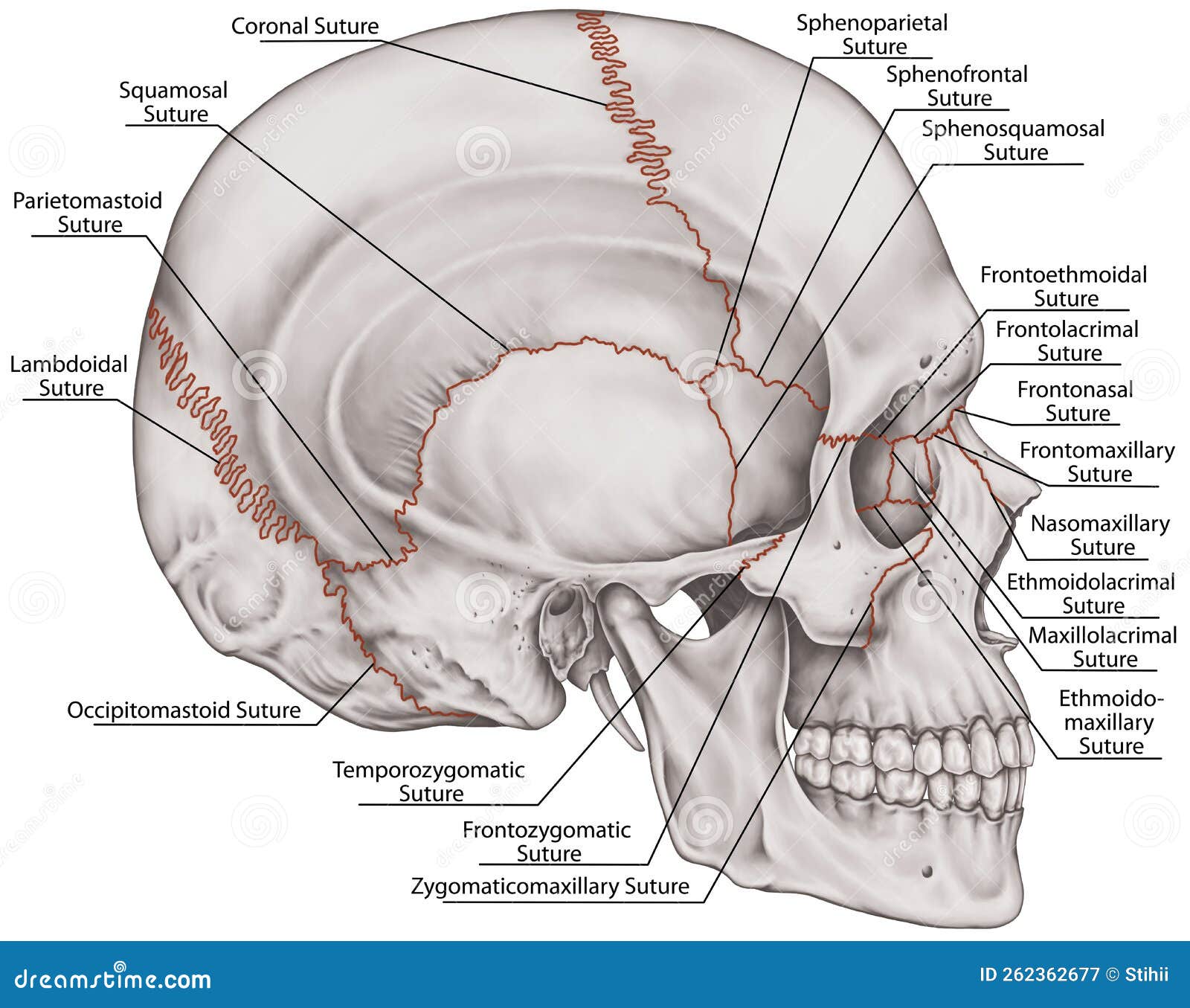
BOARD the Sutures of Skull, Lateral View Stock Illustration
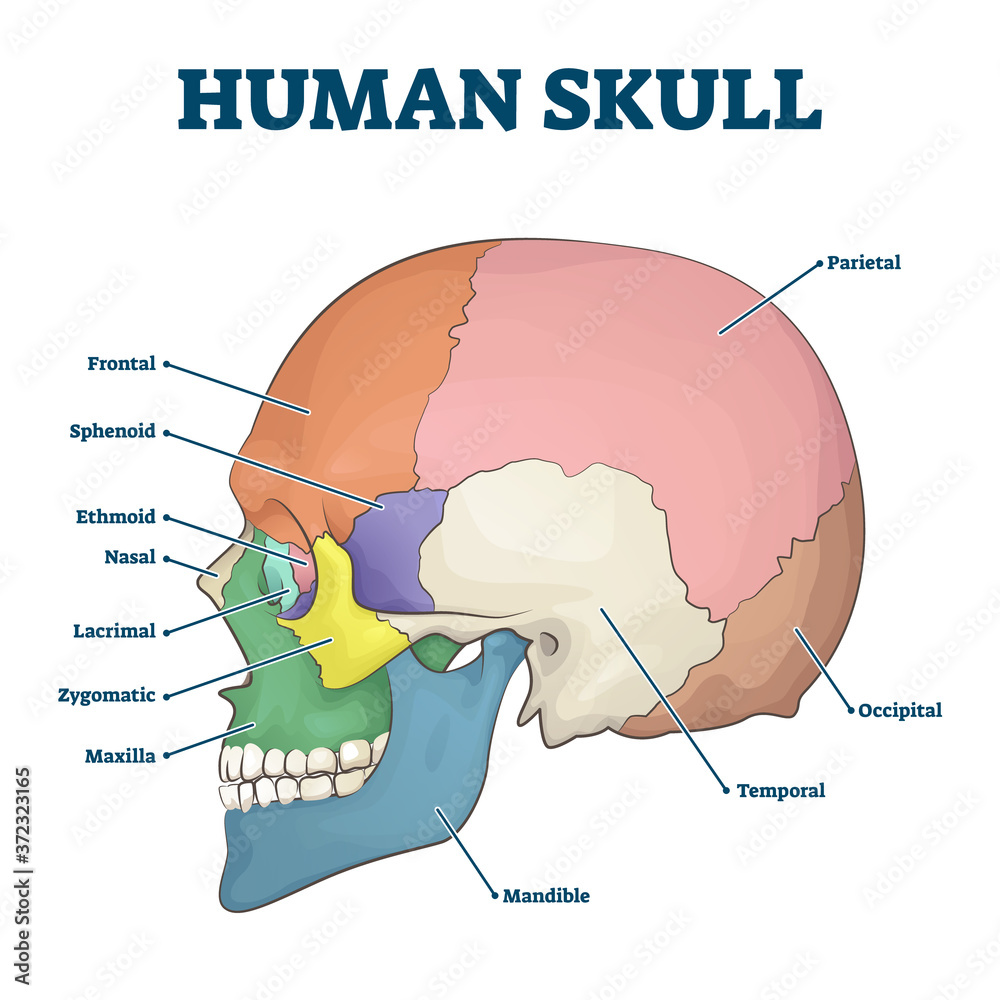
Human skull bones skeleton labeled educational scheme vector
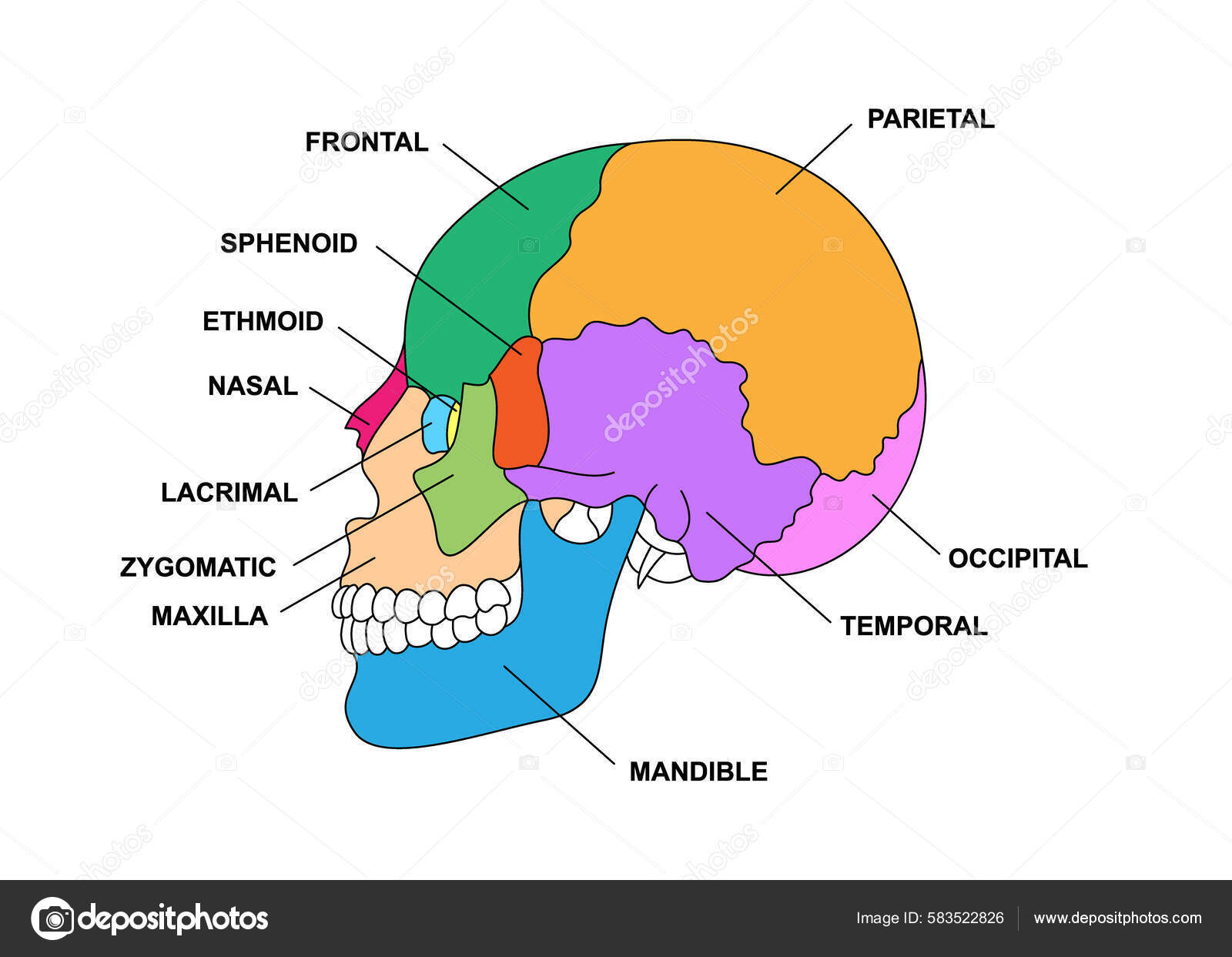
Human Skull Bones Anatomy Descriptions Colored Cranial Parts Structure
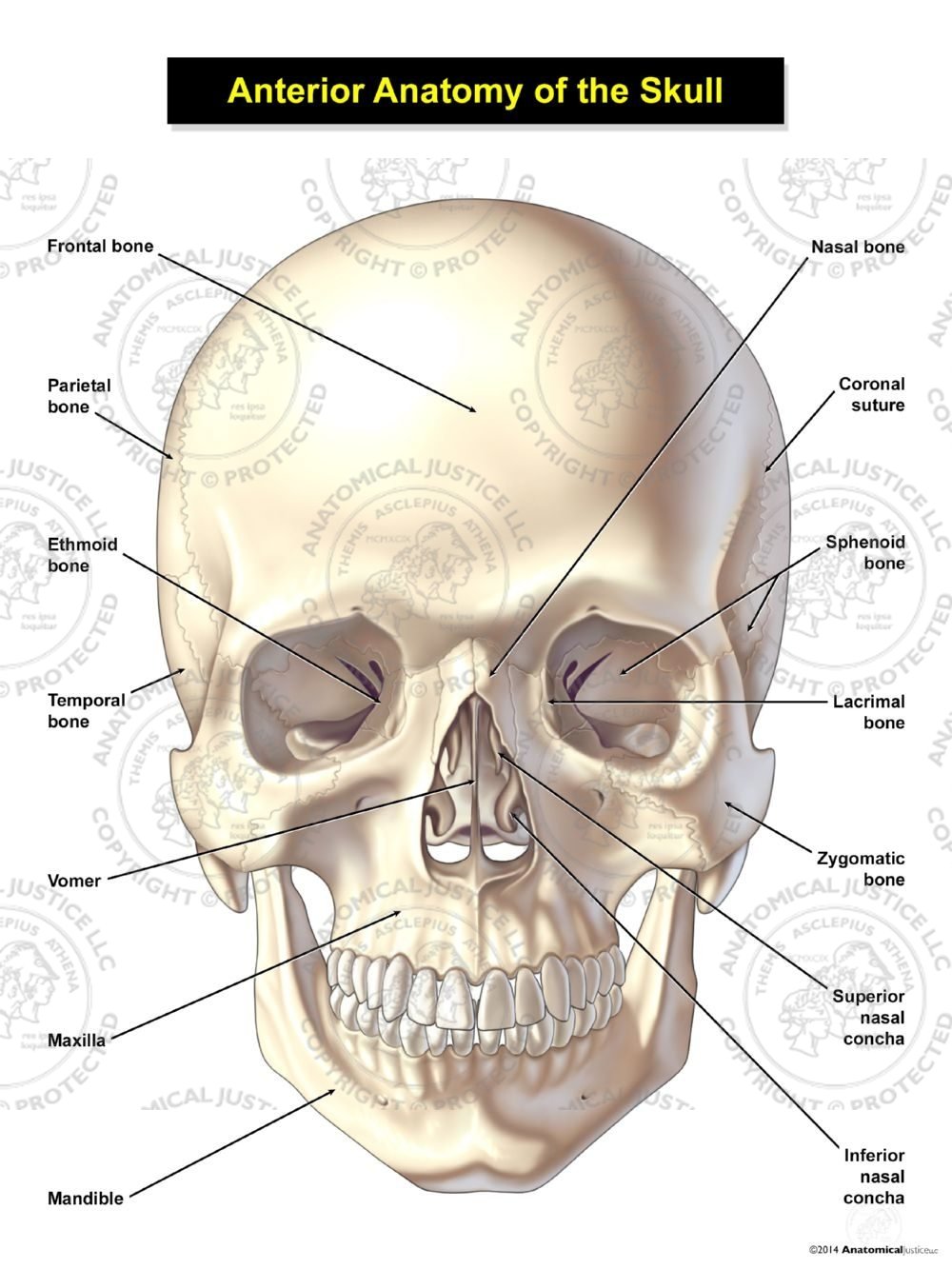
Parts of the skull
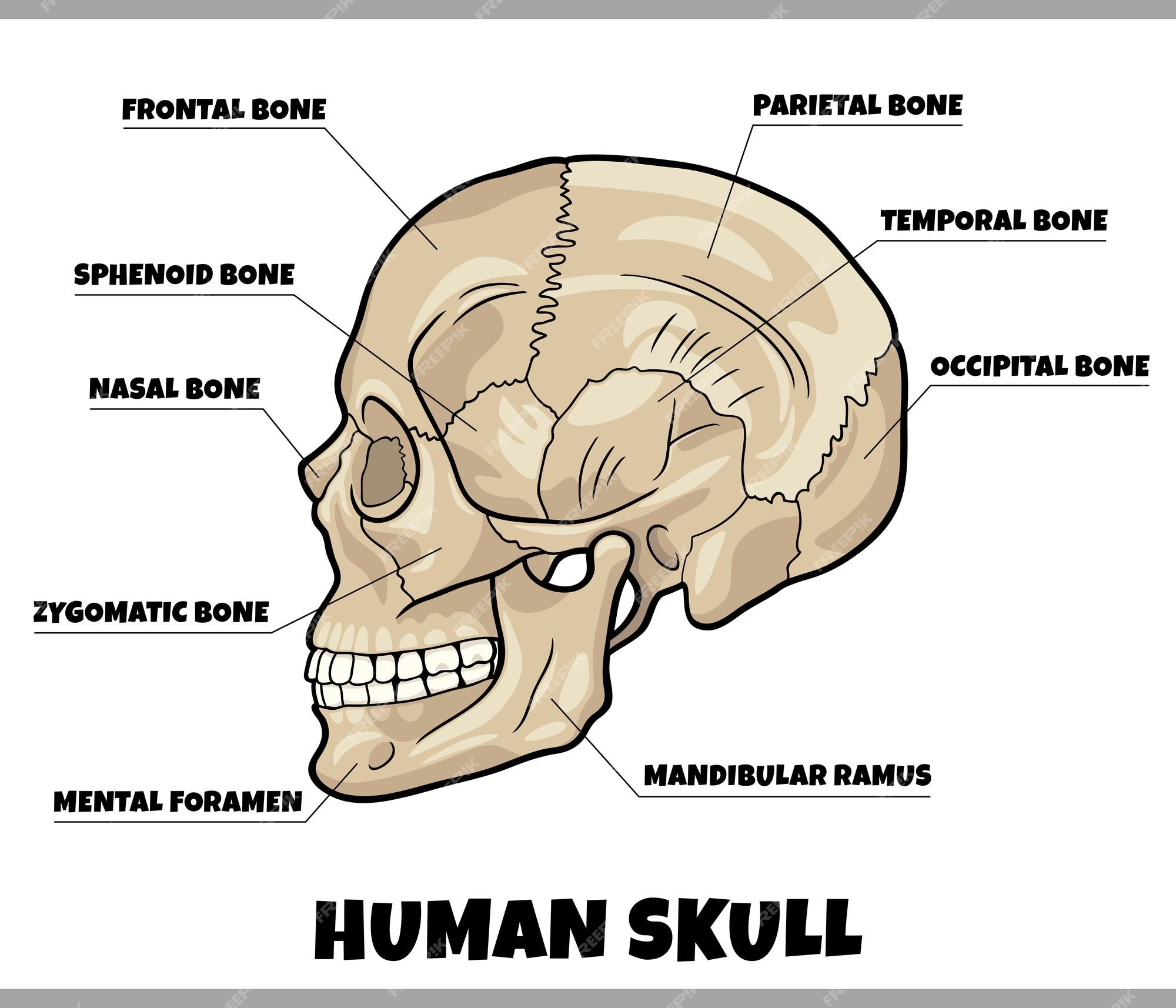
Premium Vector Human skull bones anatomy diagram illustration

Skull And Cross Bones, Skull, Bone, Skeleton PNG Transparent Clipart
The Skull Is A Bony Framework Of The Head, Consisting Of 22 Bones.
Skull, Skeletal Framework Of The Head Of Vertebrates, Composed Of Bones Or Cartilage, Which Form A Unit That Protects The Brain And Some Sense Organs.
It Is Comprised Of Many Bones, Formed By Intramembranous Ossification, Which Are.
The Skull Is One Of The Most Vital Bony Structures Of The Human Body, As It Houses And Protects The Most Important Organs, Including The Brain.
Related Post: